Build a Defense Against Water: Stopping Leaks Before They Start
Water is one of the most destructive forces your home will ever face, and it rarely announces itself with a dramatic flood at first. It starts quietly: a slow drip under the sink, a dark spot on the ceiling, a bit of bubbling paint near a window. These early clues are your warning signs, and catching them now can prevent mold growth, rotten framing, and structural damage later.
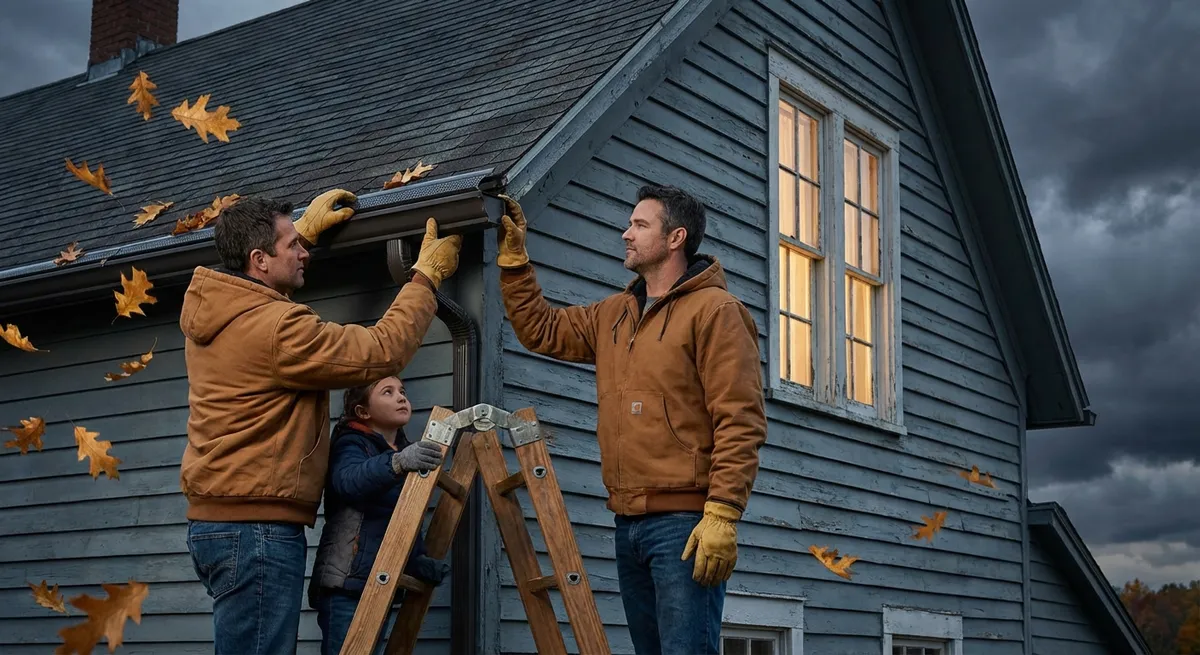
Begin outside. Ensure gutters and downspouts are cleared at least twice a year, especially after heavy leaf fall or storms. Clogged gutters don’t just overflow—they push water back toward your roof and siding, inviting leaks. Downspouts should discharge water several feet from your foundation, ideally with extensions or splash blocks to carry water away from the house. Walk the perimeter after heavy rain and look for pooling near the foundation; standing water is a red flag for potential basement or crawl space issues.
Indoors, create a habit of scanning “wet zones” monthly: under sinks, around toilets, behind the washing machine, near the water heater, and under any fridge with an ice maker. Look for rust, warped wood, soft drywall, or a musty smell. If you see or smell something off, act immediately—small leaks rarely fix themselves. For extra protection, consider installing water leak sensors in high-risk locations. Many modern sensors can send alerts to your phone, buying you time to respond before a small drip becomes a disaster.
Guard the Envelope: Keeping Weather and Pests Out
Your home’s outer shell—roof, walls, doors, windows, and foundation—is your barrier against weather, pests, and energy loss. When that barrier is compromised, your home becomes vulnerable from all sides. Preventive attention to this “skin” of your home keeps your interior safer and your systems under less strain.
Start at the top. From the ground (or with binoculars), inspect your roof a few times per year and after major storms. Look for missing, curling, or cracked shingles, sagging areas, or flashing that looks loose or bent, especially around chimneys, vents, and skylights. You don’t have to climb up; if you see trouble from the ground, call a professional roofer before small weaknesses let water in.
Next, walk around your home’s exterior slowly. Check for gaps around doors and windows where light, air, or insects can slip through. Replace worn weatherstripping and cracked caulk—these simple fixes improve comfort, cut energy costs, and create a tougher barrier for pests. Pay attention to siding for cracks, rot, or areas pulling away from the wall, and check that vents (like dryer and attic vents) have intact covers and screens. Trim shrubs and tree branches away from siding and the roof; vegetation touching your home can invite insects, rodents, and moisture right up to your walls and shingles.
At ground level, monitor your foundation for new cracks or expanding existing ones. Hairline cracks can be normal in some homes, but wide, growing, or stair-step cracks deserve prompt attention from a professional. Keeping soil graded to slope away from the house and avoiding storing mulch or firewood directly against foundation walls helps prevent moisture and pests from gaining a foothold.
Protect the Air You Breathe: Indoor Health and Safety
Your home should be a refuge, not a hidden source of respiratory issues or toxic exposure. Preventing silent threats—like carbon monoxide, radon, mold, and poor ventilation—requires deliberate attention, but the payoff is enormous: safer air, fewer health risks, and more peace of mind.
Start with the devices that stand between your family and invisible dangers: smoke alarms and carbon monoxide (CO) detectors. Install smoke alarms on every level of your home, in every bedroom, and outside sleeping areas. CO detectors belong on every level and near sleeping areas, especially if you have fuel-burning appliances, a fireplace, or an attached garage. Test all alarms monthly, replace batteries at least once a year, and follow the manufacturer’s replacement schedule (typically every 7–10 years).
Indoor air quality also depends on keeping air moving and filtered. Change HVAC filters on the schedule recommended by your system (often every 1–3 months), and choose filters with an appropriate MERV rating for your equipment. Don’t ignore exhaust fans—use them when cooking and showering to reduce humidity and pollutants. In high-moisture areas like basements and bathrooms, watch for condensation, musty odors, or visible mold. Address sources of moisture first, then clean up affected areas safely or contact a professional for significant growth.
If you live in an area where radon is a concern, testing is a critical preventative step. Radon is a colorless, odorless gas that can enter through the foundation and is a leading cause of lung cancer in non-smokers. A simple test kit or professional radon test can reveal whether mitigation is needed. Ensuring your home is well-ventilated, dry, and monitored for invisible threats transforms it from a potential risk into a true safe haven.
Stay Ahead of System Failures: Heating, Cooling, and Electrical Safety
Your home’s mechanical and electrical systems do their job quietly—until they don’t. When they fail suddenly, you’re left exposed: no heat in winter, no cooling in a heatwave, or worse, an electrical fault that becomes a fire hazard. Preventive care for these systems is one of the strongest shields you can give your home.
Schedule professional inspections for your heating and cooling systems at least once a year—ideally before their heaviest use seasons. A trained technician can spot failing components, dangerous gas leaks, improper venting, or unsafe wiring you’d never see on your own. For gas furnaces, boilers, or water heaters, proper venting is especially critical to prevent carbon monoxide buildup. Don’t ignore unusual smells, sounds, or frequent cycling on and off; they’re often early warnings.
Electrical safety is equally crucial. Start by learning where your main electrical panel and water shut-off valves are, and make sure all adults in the home know how to use them. Periodically check outlets and switches for warmth, scorch marks, buzzing, or flickering lights—these can signal overloaded circuits or failing connections. Avoid daisy-chaining power strips, overloading outlets, or running cords under rugs. If your home still uses older wiring (such as knob-and-tube or heavily reliance on two-prong outlets), consider an electrical safety evaluation from a licensed electrician.
Appliances deserve preventive attention too. Clean lint from your dryer filter after every load and inspect the dryer vent and ductwork regularly; clogged dryer vents are a leading cause of house fires. Check refrigerator coils for dust buildup and ensure water supply lines to ice makers and dishwashers are tight and in good condition—these small connections are common sources of hidden leaks. By treating these systems as critical infrastructure rather than afterthoughts, you significantly reduce your risk of sudden, dangerous failures.
Prepare for the Unexpected: Emergency Readiness at Home
No matter how well you maintain your home, storms, outages, and accidents can still happen. The difference between a scare and a catastrophe often comes down to how prepared you are before the event. Emergency readiness is a protective layer that supports every other preventive step you take.
Start with a basic emergency kit tailored to your household. It should include water, non-perishable food, flashlights, extra batteries, a first-aid kit, medications, copies of important documents, and basic tools. Store it in a location every family member knows. If you live in an area prone to specific hazards—like hurricanes, wildfires, earthquakes, or severe winter storms—add supplies and equipment recommended for those scenarios, such as backup power options, fire-resistant storage, or means to safely shelter in place.
Next, create and rehearse a family emergency plan. Identify two exit routes from each room where possible, choose meeting points inside and outside your neighborhood, and ensure children know how to dial emergency services. Practice evacuation and fire drills a few times a year so that everyone’s reaction becomes automatic under stress. Make a list of shut-off locations for gas, water, and electricity, and post it in an accessible place.
Finally, review your home insurance coverage at least annually. Confirm that your policy reflects the current value and condition of your home and that you understand exclusions (for example, many standard policies do not cover flood damage without separate flood insurance). Document your belongings with photos or video and store the records securely. Strong preparedness doesn’t invite disaster—it reduces your vulnerability when reality doesn’t go according to plan.
Conclusion
Prevention is the quiet shield around your home: most effective when you barely notice it working. By staying ahead of water damage, reinforcing your home’s outer defenses, protecting indoor air, maintaining critical systems, and preparing for emergencies, you turn your home into a safer, stronger refuge. These habits don’t have to be overwhelming—small, consistent actions add up to powerful protection. When you choose prevention today, you’re not just maintaining a house—you’re actively defending the health, safety, and stability of everyone who lives inside it.
Sources
- [Ready.gov – Home Safety and Preparedness](https://www.ready.gov/safety-skills) – U.S. government guidance on emergency planning, safety skills, and household preparedness
- [U.S. Environmental Protection Agency – Indoor Air Quality](https://www.epa.gov/indoor-air-quality-iaq) – Information on preventing indoor air problems, including mold, ventilation, and pollutants
- [U.S. Consumer Product Safety Commission – Home Electrical Safety](https://www.cpsc.gov/Safety-Education/Safety-Guides/electrical) – Official recommendations for reducing electrical hazards and preventing fires in the home
- [National Fire Protection Association – Smoke Alarms and Home Fire Safety](https://www.nfpa.org/Home) – Data and guidance on smoke alarms, carbon monoxide alarms, and fire prevention practices
- [Centers for Disease Control and Prevention – Mold After a Disaster](https://www.cdc.gov/mold/cleanup-guide.html) – Health-focused advice on identifying, preventing, and cleaning up mold in homes