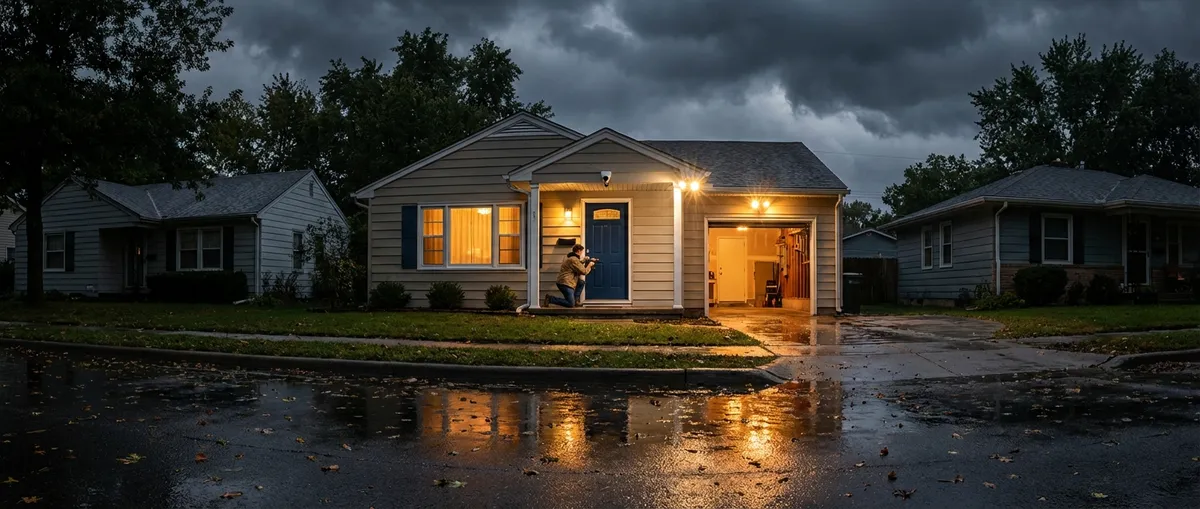
This guide from Home Shield Works walks you through five core strategies that work together like armor for your home. Think of it as a protective routine—not a one-time project. The more consistent you are, the less likely you are to be blindsided by damage, safety risks, or unexpected bills.
Strategy 1: Control Water Before It Controls Your Home
Water is one of the most destructive forces your home will ever face. It doesn’t need a flood to do damage—just a slow drip, a clogged gutter, or poorly directed runoff.
Start outside. Your roof, gutters, and downspouts are your first defense. Keep gutters clear of leaves and debris at least twice a year (more often if you have trees overhead). Make sure downspouts carry water at least 4–6 feet away from your foundation with extensions or splash blocks. Standing water near your foundation can lead to cracks, basement leaks, and even structural shifting over time.
Inspect your roof visually with binoculars or from the ground. Look for missing or curled shingles, damaged flashing around chimneys or vents, and dark patches that could signal moisture. Inside, check ceilings and attic spaces for stains, peeling paint, or musty smells—early red flags of hidden leaks.
Indoors, focus on plumbing and appliances. Look under sinks for dampness, water stains, or warped wood. Inspect around toilets, bathtubs, dishwashers, refrigerators with ice makers, and washing machines. Simple upgrades—like braided stainless-steel supply lines for washers and toilets, and drip pans under water heaters—can prevent a small failure from becoming a major flood.
The key is to act on “minor” signs immediately. A slow drip, a tiny stain, or occasional musty smell is never harmless; it’s your warning light. Responding early protects walls, wiring, insulation, and air quality before water quietly undermines them.
Strategy 2: Harden Entry Points Against Intruders and Weather
Your doors and windows protect against more than break-ins; they also block drafts, moisture, and pests. Weak points here invite both security risks and slow physical damage.
Start with exterior doors. Solid core or metal-clad doors with high-quality deadbolts are far more resistant to forced entry than hollow-core doors. Reinforce strike plates with 3-inch screws that anchor into the wall framing, not just the door jamb. Check that doorframes are solid, not soft or cracked, and replace damaged wood before it becomes a failure point.
Windows deserve the same attention. Ensure all latches fully close and lock. For ground-level windows, especially in more vulnerable areas, consider additional hardware like pin locks or secondary window locks. Damaged or missing caulk around window frames doesn’t just leak air; it lets water slowly infiltrate and rot sills and framing.
Weatherstripping is a quiet hero. Gaps around doors and windows don’t only raise energy bills—they also allow moisture-laden air inside, which can contribute to condensation, mold, and deterioration of finishes over time. Replace worn weatherstripping and cracked exterior caulking regularly, especially before winter and storm seasons.
Finally, don’t ignore your garage. It’s often a weak link. Make sure the door closes fully and seals along the bottom, sensors are aligned, and the interior door to your home is solid, self-closing if possible, and equipped with a deadbolt. Treat it like another exterior entry—not a casual shortcut.
Strategy 3: Guard Against Fire and Silent Indoor Hazards
Some of the most dangerous threats to your home and family are invisible until they become an emergency: fire risks, carbon monoxide, and unhealthy indoor air.
Begin with detection. Install smoke alarms on every level, inside each bedroom, and outside sleeping areas. Carbon monoxide (CO) detectors belong on every level of your home, especially near sleeping areas and any fuel-burning appliances (furnaces, gas stoves, fireplaces, attached garages). Test these devices monthly and replace batteries at least once a year, or as recommended.
Next, clear ignition hazards. Keep anything flammable—boxes, paint cans, chemicals, fabrics—well away from furnaces, water heaters, and space heaters. Avoid running extension cords under rugs or overloading outlets and power strips. If breakers frequently trip, that’s not a nuisance; it’s a warning sign that wiring or load capacity needs a professional evaluation.
Have heating systems and chimneys serviced regularly. A yearly inspection and cleaning for fireplaces, wood stoves, and central heating systems can prevent chimney fires, reduce carbon monoxide risk, and improve efficiency. If you use a dryer, clean the lint trap every load and the vent duct at least annually; clogged vents are a major source of preventable house fires.
Indoor air quality is also a long-term protective issue. Change HVAC filters on schedule, keep bathrooms properly ventilated to reduce mold growth, and address any persistent odor, dampness, or visible mold immediately. Small patches can hint at larger hidden moisture problems that slowly harm both your home and your health.
Keep at least one fire extinguisher accessible on each level—especially in the kitchen and near exits—and ensure everyone in the home knows where they are and how to use them. It’s a layer of defense you hope never to need, but you don’t get a second chance to prepare when a fire starts.
Strategy 4: Protect Your Foundation, Siding, and Exterior Shell
Your home’s exterior shell—foundation, siding, trim, and paint—acts like skin and armor. When it’s compromised, water, pests, and weather move in, often quietly at first.
Walk your exterior at least a couple of times per year. Look for cracks in the foundation, gaps where utilities enter the house, peeling paint, soft or rotting wood, and loose or damaged siding. Any place where you can slide a credit card or see daylight is a potential entry point for water and insects.
Foundation cracks don’t always mean structural disaster, but they do deserve attention. Hairline cracks can often be monitored and sealed to prevent water entry. Larger or growing cracks, uneven floors, and doors or windows that suddenly stick can indicate movement that needs professional assessment before it worsens.
Paint is more than cosmetic. On wood surfaces, sound paint and sealant protect against moisture intrusion and rot. When you see peeling, blistering, or bare wood, you’re seeing an unprotected surface. Addressing these early with prep, priming, and painting is far cheaper than replacing rotted trim, siding, or window frames later.
Don’t forget the ground contact areas. Mulch and soil should not be piled against siding, as this traps moisture and invites termites and other pests. Keep at least several inches of clearance between soil and siding, and trim vegetation away from walls to allow airflow and visual inspection.
If you live in an area with termites or other wood-destroying insects, follow local recommendations for inspections and preventive treatments. Early detection and management protect not just your exterior but the structural integrity of the entire building.
Strategy 5: Create a Simple, Repeatable Home Protection Routine
The strongest protection plan is the one you’ll actually follow. Prevention fails when everything depends on memory and good intentions. Instead, build a simple routine that breaks tasks into manageable, repeatable steps.
Start by organizing maintenance and safety checks by frequency: monthly, seasonal, and yearly. Monthly, you might test smoke and CO detectors, look under sinks for leaks, and walk key rooms for new stains or odors. Seasonally, you can clean gutters, check weatherstripping, change HVAC filters, and inspect the exterior. Yearly, schedule professional service for HVAC, have chimneys inspected, and consider a full home safety walk-through.
Document what you do. A basic notebook, spreadsheet, or home maintenance app can track dates, findings, and follow-up tasks. This record helps you notice patterns—like a recurring leak in the same place or frequent breaker trips—and can also be valuable if you ever sell your home, showing a clear history of responsible care.
Involve everyone in the household. Teach family members where the main water shutoff, electrical panel, gas shutoff (if applicable), and fire extinguishers are located. Make sure they know how and when to use them. A calm, informed response in the first minutes of a problem can prevent a minor incident from becoming a full-blown emergency.
Finally, build a trusted support network: a reliable plumber, electrician, HVAC technician, and general contractor or handy professional. When something looks or feels wrong, you’ll be far less likely to delay if you already know who to call—and that speed of response is a critical part of prevention.
Conclusion
Homes rarely fail because of one catastrophic event; they fail because small issues were allowed to grow unchecked. By controlling water, hardening entry points, guarding against fire and indoor hazards, protecting your exterior shell, and following a consistent routine, you turn your home from a vulnerable structure into a defended, resilient space.
Prevention is not about fear—it’s about control. The more you understand and maintain your home’s systems, the fewer unwelcome surprises you’ll face. With a clear, protective strategy in place, your home can do what it’s meant to do: quietly shield you and your family, year after year.
Sources
- U.S. Environmental Protection Agency – Mold and Moisture - Guidance on moisture control, mold prevention, and indoor air quality impacts
- U.S. Fire Administration – Home Fire Safety - Federal recommendations on smoke alarms, fire prevention, and home fire preparedness
- U.S. Consumer Product Safety Commission – Carbon Monoxide Questions and Answers - Authoritative information on CO detectors and household safety practices
- Federal Emergency Management Agency (FEMA) – Protecting Your Home from Flooding - Practical steps to reduce water and flood damage risks
- University of Minnesota Extension – Home Maintenance and Repairs - Educational overview of routine home maintenance and why early action matters