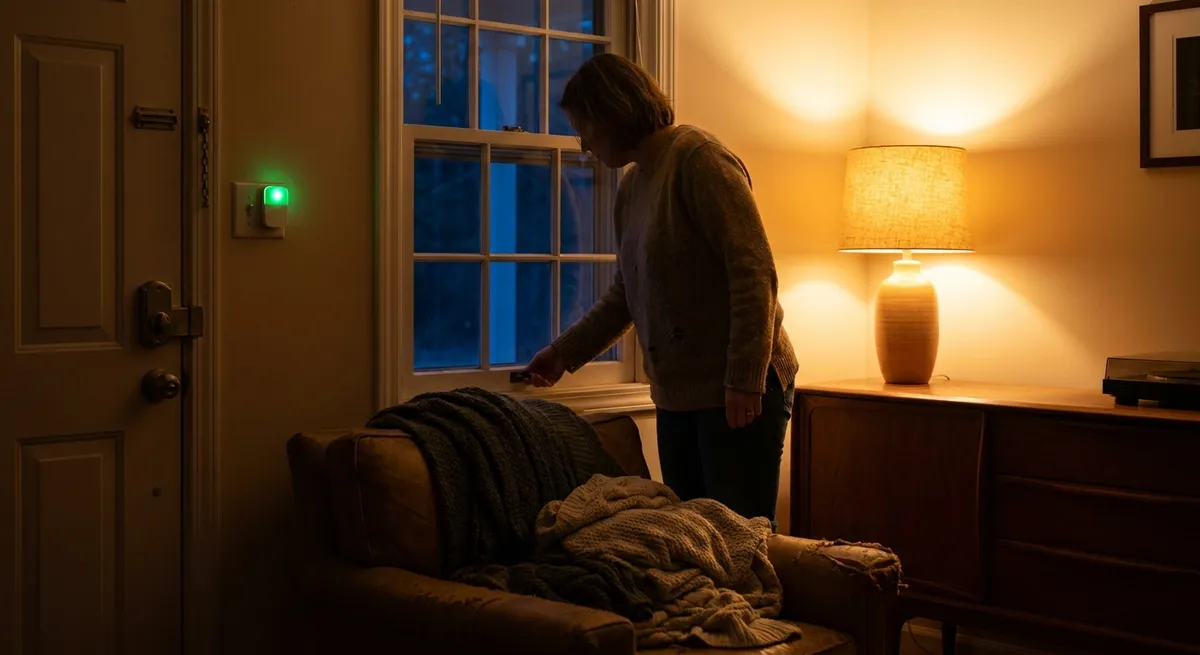
This guide walks you through five protective strategies you can build into your daily, weekly, and seasonal routines—so your home stays safe, sound, and ready for the unexpected.
Strategy 1: Control What You Can’t See—Moisture, Mold, and Hidden Leaks
Water is one of the most destructive forces inside a home, and it rarely announces itself loudly at first. It seeps, drips, and slowly weakens what you’ve invested in.
Protective habits to adopt:
- Walk your “water path” monthly. Check under sinks, behind toilets, around the water heater, dishwasher, fridge (if it has a water line), washing machine, and under windows. Look for discoloration, soft spots, bubbling paint, or a musty smell.
- Listen to your home when it’s quiet. At night, turn off TVs and fans and walk near bathrooms, kitchens, and basements. A faint hiss or drip from a pipe can be easier to catch when the house is silent.
- Defend high-risk areas. Install leak detectors or smart water sensors near water heaters, washing machines, and under sinks. These can send alerts before a slow drip becomes a major claim.
- Keep humidity in check. Use exhaust fans in bathrooms and kitchens every time you shower or cook, and leave them running for at least 20 minutes. In damp climates or basements, consider a dehumidifier to keep indoor humidity roughly between 30–50%.
- Don’t ignore small stains. Even a tiny patch of discoloration on a ceiling or wall is your home waving a red flag. Trace the source and fix it—patching over the stain without solving the leak only delays bigger trouble.
By managing moisture early, you’re not just avoiding cosmetic issues—you’re protecting structural materials, indoor air quality, and your family’s health.
Strategy 2: Make Fire Risks Boringly Predictable, Not Surprising
House fires are often traced back to everyday activities: cooking, overloaded outlets, forgotten candles, or old wiring. You can’t control every risk, but you can drastically reduce surprise events.
Protective habits to adopt:
- Treat your kitchen like a “no-walk-away” zone. If the stove or oven is on, someone stays in the kitchen. If you must step away, turn the burner off—especially when frying with oil or using high heat.
- Audit your outlets. Avoid daisy-chaining power strips or using multi-plug adapters on a single outlet. Heat build-up behind furniture and electronics is a quiet warning sign; warm outlets or scorched-looking plugs need attention from a licensed electrician.
- Retire dangerous cords. Replace frayed, cracked, or taped-up extension cords and appliance cords. Never run cords under rugs or carpets where heat can build and damage can remain hidden.
- Test your alarms on a schedule. Once a month, test smoke alarms and carbon monoxide detectors. Replace batteries at least once a year, and replace devices themselves about every 10 years or as recommended by the manufacturer.
- Create a nighttime shutdown habit. Before bed, do a 60-second “fire sweep”: turn off space heaters, blow out candles, unplug heat-producing appliances (like curling irons), and ensure the dryer isn’t running while everyone is asleep.
The goal isn’t to live in fear—it’s to build a routine that makes fire hazards predictable and under your control, not lurking in the background.
Strategy 3: Harden the Exterior So Weather Doesn’t Win
Most damage from storms, wind, and heavy rain starts with tiny vulnerabilities outside: a missing shingle, clogged gutter, or cracked caulk. Once water gets past your exterior shell, repairs get expensive fast.
Protective habits to adopt:
- Watch where water goes in a heavy rain. Periodically step outside during a storm. Are gutters overflowing? Is water pooling near the foundation? Are downspouts dumping water right next to the house? Adjust or extend downspouts so they discharge several feet away.
- Keep gutters clear and attached. Clean gutters at least twice a year (more with lots of nearby trees). Check that they’re firmly attached, sloped correctly, and not pulling away from the fascia.
- Inspect the “seams” of your home. Once or twice a year, walk the perimeter and check window frames, door frames, siding transitions, and where utility lines enter the home. Replace cracked or missing caulk and damaged weatherstripping.
- Check your roof from the ground. You don’t need to climb up to spot trouble. Look for missing, curled, or shifted shingles, sagging sections, or damaged flashing. After major storms, a quick visual check can catch problems before they leak.
- Protect vulnerable entry points. Basement window wells, bulkhead doors, and low-lying doors are common weak spots. Make sure covers, seals, and thresholds are intact and that grading slopes away from the house, not toward it.
You can’t stop a storm, but you can decide whether it has easy access to your walls, foundation, and roof.
Strategy 4: Protect What Insurance Can’t Replace—Documents, Data, and Essentials
Some of the most painful losses from a disaster aren’t the walls or furniture; they’re the important papers, irreplaceable records, and tools you need to recover quickly.
Protective habits to adopt:
- Centralize critical documents. Store passports, birth certificates, property records, insurance policies, wills, and key medical information in a fire-resistant, water-resistant safe. Label and organize so they’re grab-ready if you need to leave quickly.
- Back up what’s digital. Use automatic cloud backup or an external hard drive for photos, tax documents, and important scans. Keep at least one backup stored offsite or in the cloud so a single event at home can’t wipe everything out.
- Create a simple home inventory. Take photos or a short video walkthrough of each room, opening closets and drawers. Store this digitally. It becomes powerful evidence if you ever have to make a large insurance claim.
- Know your emergency kit location. Basic supplies—flashlights, batteries, a small first-aid kit, a few days of critical medications (as allowed by your doctor), and a list of emergency contacts—should be in a clearly labeled, accessible place.
- Print the essentials. Don’t rely solely on your phone in an emergency. Keep printed copies of key phone numbers, insurance contacts, and an evacuation plan in case power or internet is down.
You’re not just safeguarding “stuff” here—you’re preserving your ability to respond, recover, and protect your family when something goes wrong.
Strategy 5: Make Safety Part of Everyday Living, Not a Once-a-Year Project
Protection isn’t a single chore you cross off; it’s a mindset that shapes the way you move through your home. Small, consistent behaviors add up to a strong, silent shield over time.
Protective habits to adopt:
- Treat walkways and stairs as non-negotiable safety zones. Keep halls, stairs, and entryways clear of clutter, cords, and loose rugs. Good lighting inside and out reduces the risk of falls—one of the most common home injuries.
- Review how your home is used, not just how it’s built. If kids, older adults, or pets are in the home, secure area rugs, add grab bars where needed, use child safety locks on cabinets with chemicals, and lock up medications.
- Respect utility shutoffs. Learn where your main water, gas, and electrical shutoffs are and how to use them safely. A quick shutdown during a leak, small electrical issue, or gas smell can prevent a minor issue from turning major.
- Schedule “house check-ins.” Once a month, set aside 15–30 minutes for a quick walk-through: look at extension cords, test alarms, check on filters, glance at windows and doors, and listen for strange sounds from appliances or the HVAC system.
- Talk about the “what ifs.” As a household, decide what everyone does if there’s a fire, a strange smell, severe weather, or a suspected break-in. Simple, calm conversations now reduce panic and confusion later.
When safety becomes woven into everyday habits, your home protection plan stops feeling like a list of chores and starts becoming second nature.
Conclusion
Your home doesn’t become safer because of one big purchase or one weekend project. It becomes safer because you regularly notice, maintain, and correct the small things before they turn into big threats.
By:
- Controlling moisture and leaks,
- Reducing fire and electrical risks,
- Strengthening your home’s exterior,
- Protecting documents and data, and
- Building safety into daily routines,
you create a shield that works quietly in the background—every hour of every day.
Protection isn’t about fear; it’s about taking calm, deliberate steps so your home remains the place where your family can rest, recover, and feel secure, no matter what’s happening outside your walls.
Sources
- U.S. Fire Administration – Fire Safety and Prevention – Guidance on reducing home fire risks, smoke alarm recommendations, and prevention strategies
- Environmental Protection Agency (EPA) – Mold and Moisture – Information on controlling indoor moisture, preventing mold growth, and protecting indoor air quality
- Insurance Information Institute – Homeowners Insurance and Disaster Preparedness – Advice on home inventories, document protection, and preparing for emergencies and claims
- Centers for Disease Control and Prevention (CDC) – Home and Recreational Safety – Data and tips on preventing falls, poisonings, and other common household injuries
- Ready.gov – Build a Kit and Make a Plan – Federal guidance on emergency kits, evacuation plans, and household readiness for disasters