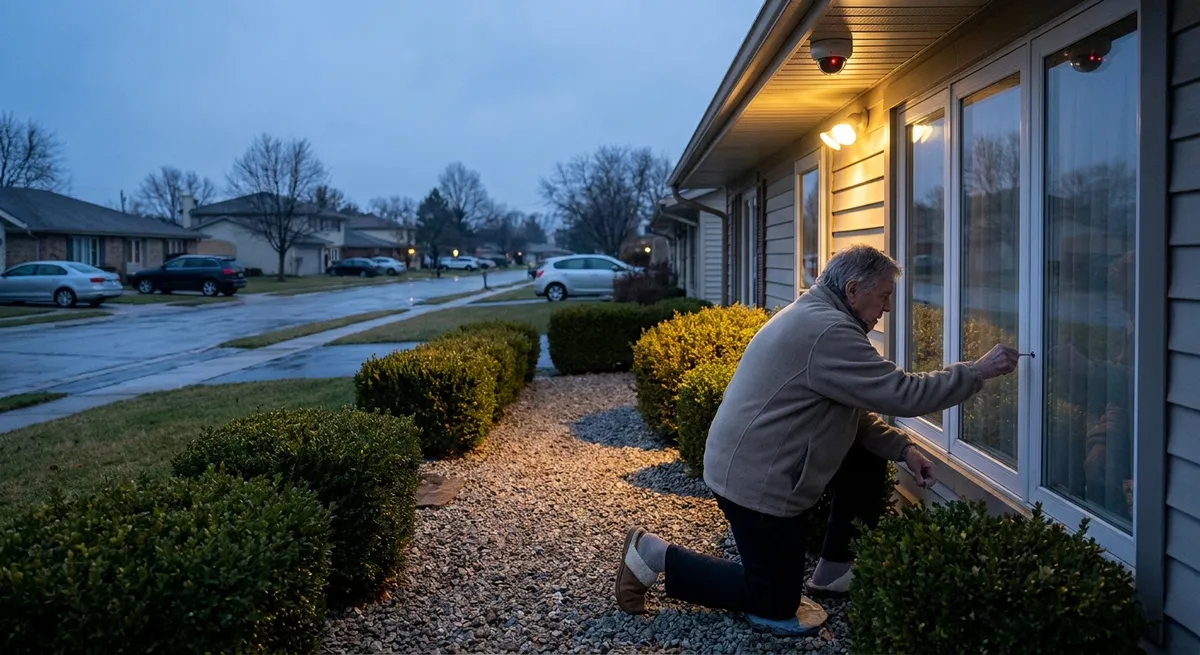
This isn’t about turning your house into a fortress. It’s about building a calm, controlled environment where risks are reduced before they turn into emergencies. The following five strategies work together to protect both your home and the people inside it.
1. Control What the Outside World Can Learn About Your Routine
Intruders look for patterns. The more predictably your home behaves, the easier it is for someone to choose the perfect time to approach it.
Start by limiting what your exterior and your online life reveal. Avoid posting real-time vacation updates or location-tagged photos that advertise an empty home; save those for after you return. From the street, keep calendars, work badges, deliveries, and expensive gear out of direct window view. If your garage door is often left open, you’re offering a free inventory of tools, bikes, and even how easy it might be to enter the house from inside the garage. Consider using timers or smart plugs to vary lights in the evening, especially when you’re away; a home that never changes lighting patterns can be as revealing as one that goes completely dark. The goal is simple: make it difficult for anyone to confidently predict when your home is empty or how it’s used.
2. Treat Entry Points Like Critical Equipment, Not Just Hardware
Most forced entries happen through doors and windows that look “fine” but haven’t been treated like safety equipment. Over time, weather, age, and minor damage slowly weaken your first real barriers.
Start with your doors: ensure exterior doors are solid-core or metal, with a heavy-duty deadbolt that extends fully into the frame. Reinforce the strike plate with 3-inch screws that reach the wall stud, not just the trim. Inspect hinges for rust, loose screws, or sagging that can weaken the door’s resistance. For sliding doors, install a security bar or a sturdy dowel in the track and consider a secondary lock mounted higher up. Windows deserve the same attention: repair cracked latches, install secondary locks on easily reachable windows, and check that frames aren’t soft or rotting—soft wood is simple to pry open. A yearly “entry point checkup” helps you catch silent failures before someone else discovers them for you.
3. Layer Your Awareness: From the Driveway to the Living Room
Security isn’t only about locks; it’s about knowing what’s happening around your home. When awareness is layered, small changes get noticed early instead of after a problem has escalated.
Begin outside. Motion-activated lighting around driveways, doors, and pathways not only improves your visibility but removes the cover of darkness that many intruders rely on. Combine this with well-placed cameras or video doorbells that clearly capture faces at common approach points. Inside, consider smart sensors on doors and windows that alert you when something is opened unexpectedly—especially useful at night or when you’re not home. Even without a full security system, you can establish simple rituals: a quick nightly walk-through to confirm doors are locked, garage is closed, and ground-floor windows are secured. By building a routine of quiet, consistent checks, you reduce the chance that an unlocked entry or unnoticed disturbance becomes a serious vulnerability.
4. Manage What Can Be Used Against You in an Emergency
Many everyday items around your property can be turned into tools or hiding places if you don’t manage them intentionally. A well-kept yard is more than just curb appeal—it’s a form of control.
Look at your property from the perspective of someone trying not to be seen. Overgrown shrubs near windows, dense bushes by doors, or tall hedges that fully screen the front of your home can offer perfect concealment. Trim landscaping so anyone near windows or doors would be visible from the street or neighboring homes. Secure ladders, pry bars, and large tools inside a locked shed or garage rather than leaving them accessible outside; you don’t want to provide everything needed to reach a second-story window or force a lock. If you have a fence, inspect gates and latches for weaknesses that could make entry easy and unnoticed. The aim is to remove easy opportunities and hiding places before they’re ever tested.
5. Prepare Your Household, Not Just Your Hardware
A well-protected home depends as much on the people inside as on locks and devices. Clear expectations and simple protocols help everyone respond safely and calmly when something feels wrong.
Talk through basic safety rules with everyone in the household, including older children: don’t open the door to unexpected visitors without verifying who they are, and use peepholes, cameras, or windows instead of relying on voices alone. Establish a plan for how to respond if someone tries to force entry—where to go, who to call, and what not to do (like confronting intruders). Make sure everyone knows how to arm or disarm any security systems, and review what different alerts or alarms mean. Keep emergency numbers easily accessible and updated, and confirm that smoke and carbon monoxide alarms are working and properly placed; a crisis from inside the home is just as dangerous as one from outside. When your household is informed and practiced, they become an active part of your protection, not a passive risk.
Conclusion
Real home security is quiet, steady, and preventative. It’s in the habits you follow every day, the small decisions about what you show to the outside world, and the way you maintain the points where your home is most vulnerable.
By controlling what others can learn about your routine, treating entry points like critical equipment, building layers of awareness, managing what can be used against you, and preparing your household, you turn your home into a harder, less predictable target. At Home Shield Works, our priority is simple: help you stay ahead of threats so your home remains the stable, safe place it’s meant to be.
Sources
- FBI – Crime Data Explorer: Burglary Statistics – Provides national data on burglary trends and entry methods
- U.S. Department of Justice – Preventing Home Burglary – Practical guidance on common vulnerabilities and prevention strategies
- National Crime Prevention Council – Home Security Basics – Tips on doors, windows, lighting, and community awareness
- Consumer Product Safety Commission – Smoke & CO Alarm Safety – Recommendations on placement, testing, and maintenance of life-safety alarms
- U.S. Department of Energy – Outdoor Lighting for Safety and Security – Information on effective, efficient lighting to improve visibility and deter intruders