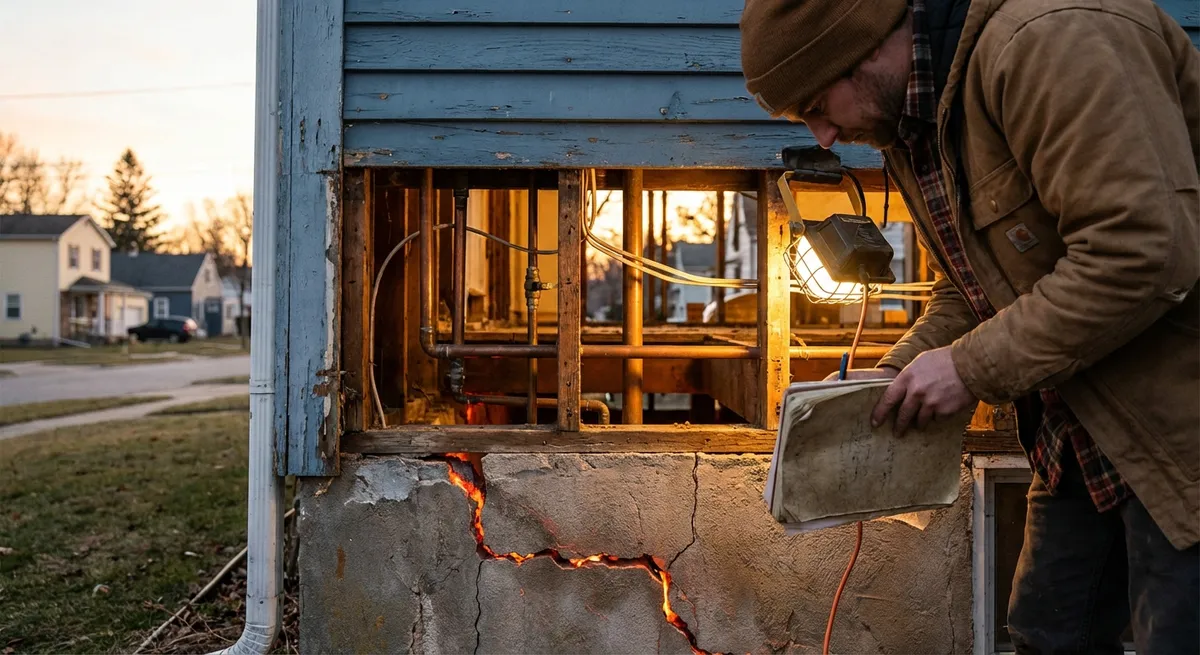
Below are five protective habits that work together like armor for your home. They’re not about quick fixes; they’re about quietly extending the life, safety, and value of the place you depend on most.
Build a Defense Line at the Perimeter
Most serious home problems start outside, then work their way in. If you only pay attention to what’s happening indoors, you’re already a step behind.
Begin at the perimeter and walk your property at least once each season. Look for signs of trouble: soil sloping toward your foundation, standing water after rain, cracked or missing caulk around windows and doors, and gaps where pests could enter. These might seem minor, but they’re early warnings that water, insects, or rodents have a clear path toward your living space.
Protective steps include:
- Ensuring the ground slopes away from your foundation to move water out, not in
- Extending downspouts at least several feet from the house to prevent foundation damage
- Sealing gaps around windows, doors, pipes, and vents with appropriate exterior caulk
- Trimming bushes and tree branches away from siding and rooflines to reduce moisture and pest bridges
By treating your home’s perimeter as a defensive barrier—not just landscaping—you stop many threats before they ever reach your walls, wiring, or interior finishes.
Guard Your Home from the Top Down
Your roof and gutters are your home’s first shield against the elements. When they quietly fail, everything below them becomes vulnerable: insulation, wiring, ceilings, walls, even structural framing.
A protective homeowner mindset means not waiting for visible ceiling stains or drips. Instead, inspect the roof visually from the ground or with binoculars at least twice a year and after major storms. Look for missing or curling shingles, damaged flashing around chimneys or vents, sagging areas, and piles of granules in gutters that indicate shingle wear.
Your gutters and downspouts deserve equal attention. Clogged gutters allow water to pool and overflow, driving moisture into your fascia, siding, and foundation. Clean them regularly and check that they are firmly attached and pitched correctly so water flows efficiently.
If you’re uncomfortable on ladders or your roof is steep, schedule a professional inspection. A modest fee for routine inspection and minor repairs is far cheaper—and safer—than ignoring subtle damage that eventually turns into roof leaks, mold, and major structural issues.
Turn Your Mechanical Systems into Allies, Not Threats
Your home’s mechanical systems—HVAC, water heater, electrical panel, and plumbing—quietly determine whether your house is a safe, healthy environment or a risky one. Neglected systems can cause fires, floods, carbon monoxide exposure, and unexpected breakdowns in extreme weather.
Protect your home by proactively caring for these systems:
- HVAC: Replace or clean filters on schedule, keep outdoor units clear of debris, and have a qualified technician service your system annually. This improves safety, air quality, and efficiency, and can prevent mid‑season failures.
- Water heater: Inspect for rust, corrosion, or moisture around the base. Know how old your unit is; most have a limited lifespan. Consider adding a drain pan and leak detector in sensitive areas to prevent catastrophic water damage.
- Electrical panel: Make sure circuits are clearly labeled, panel doors close securely, and there are no signs of scorch marks or corrosion. If you rely heavily on extension cords or frequently trip breakers, have a licensed electrician evaluate your system.
- Plumbing: Check exposed pipes for corrosion, discoloration, or signs of past leakage. Insulate vulnerable pipes in cold climates to reduce freezing risk, and know where your main water shutoff is located and how to operate it.
Treat your mechanical systems like critical safety equipment, not background noise. Regular upkeep turns them from potential hazards into trusted protectors of your home and family.
Control Moisture Before Mold and Rot Take Hold
Water, in the wrong place for long enough, quietly destroys homes from the inside out. Mold, rot, and structural damage often begin with chronic, low‑level moisture problems long before anything looks serious.
Protect your home by paying close attention to where moisture tends to linger:
- Bathrooms and kitchens: Ensure exhaust fans are properly vented to the outside, not just into the attic, and run them long enough to clear humidity after showers or cooking.
- Basements and crawlspaces: Watch for musty odors, efflorescence (white powdery residue) on walls, or damp spots after rain. Use dehumidifiers if needed and ensure any vents, vapor barriers, or drainage systems are maintained.
- Windows and doors: Condensation on the interior glass or frames can be a sign of humidity issues or poor insulation. Check and repair weatherstripping as needed.
- Appliances: Inspect behind and beneath refrigerators, dishwashers, washing machines, and ice makers. Slow leaks here can cause hidden damage and mold in flooring and walls.
If you notice persistent musty smells, peeling paint, or warped flooring, don’t ignore them. Those are early warnings. Addressing moisture early—whether by improving ventilation, fixing drainage, or repairing leaks—protects your home’s structure and safeguards your indoor air quality.
Create a Home Protection Routine You Actually Follow
Strong home protection isn’t about reacting to emergencies; it’s about having a simple, repeatable routine you stick to before things go wrong. The goal is not perfection—it’s consistency.
Start by mapping out a basic schedule:
- Monthly: Walk the exterior and interior for visible changes; test GFCI outlets and smoke/CO detectors; change HVAC filters if needed.
- Seasonally: Clear gutters, trim vegetation, check grading and drainage, inspect roof and attic, review caulking and weatherstripping, and test sump pumps if you have them.
- Annually: Schedule professional HVAC servicing, have your roof and major systems checked if they’re aging, drain sediment from your water heater if recommended by the manufacturer, and review your home insurance to ensure coverage matches your current risks.
Document what you find and what you fix. Keep photos and notes in a dedicated folder or app. This record not only helps you stay organized, it can also be valuable if you ever need to file an insurance claim or show maintenance history when selling your home.
By treating home care as an ongoing protective routine—not as a series of emergencies—you extend the life of everything you’ve invested in and reduce the chance that your family will be caught off guard by preventable damage.
Conclusion
Your home doesn’t fail overnight. It fails slowly, in small, preventable ways: a clogged gutter that wets the fascia, a minor leak behind a wall, a neglected system pushed too hard during a storm or heatwave. Protecting your home means refusing to wait for the obvious disaster and choosing instead to act on subtle warnings.
When you build strong defenses at the perimeter, guard your roof and gutters, care for your mechanical systems, control moisture, and follow a simple protection routine, you shift from reacting to problems to quietly preventing them. That’s how you protect the structure you live in—and the security, comfort, and peace of mind that come with it.
Sources
- U.S. Federal Emergency Management Agency (FEMA) – Protecting Your Home or Small Business From Disaster - Guidance on reducing risk from water, wind, and other hazards
- U.S. Department of Energy – Home Weatherization and Energy Savings - Covers sealing, insulation, and system maintenance that also improve protection and durability
- Environmental Protection Agency (EPA) – Mold and Moisture Basics - Explains how moisture leads to mold and how to prevent it in homes
- National Roofing Contractors Association (NRCA) – Roof Maintenance - Offers best practices for inspecting and maintaining residential roofs
- U.S. Consumer Product Safety Commission – Home Electrical Safety Checklist - Printable checklist to help identify and reduce electrical hazards in the home